Why Sustainability Now Shapes Logistics Decisions:
Sustainability didn’t arrive in logistics as a trend. It crept in through rising costs, tighter regulations, and the growing difficulty of managing packaging waste. Over time, we began to notice that materials failing early were creating more disruption than the products they carried. That’s when Polypropylene Woven Fabrics started coming up more often in discussions around long-term packaging choices.
At Fazal & Sons, these conversations usually begin on the warehouse floor, not in meeting rooms. Single-use materials struggle with moisture, repeated handling, and long-distance movement. When packaging breaks down quickly, waste increases and operations slow. Materials that last longer naturally reduce turnover and pressure across the supply chain.
For us, sustainability in logistics has less to do with labels and more to do with performance over time. Packaging that survives multiple cycles quietly lowers waste, simplifies handling, and makes day-to-day operations more predictable. That practical balance is why woven polypropylene has become part of a wider conversation about responsible logistics today.
Understanding the Lifecycle of Polypropylene Woven Fabrics:
When we talk about sustainability, the conversation often jumps straight to recycling. In practice, the bigger impact usually comes earlier. It starts with how long a material stays useful before it needs replacing. That’s where PP woven fabrics tend to stand apart.
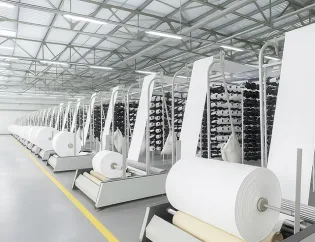
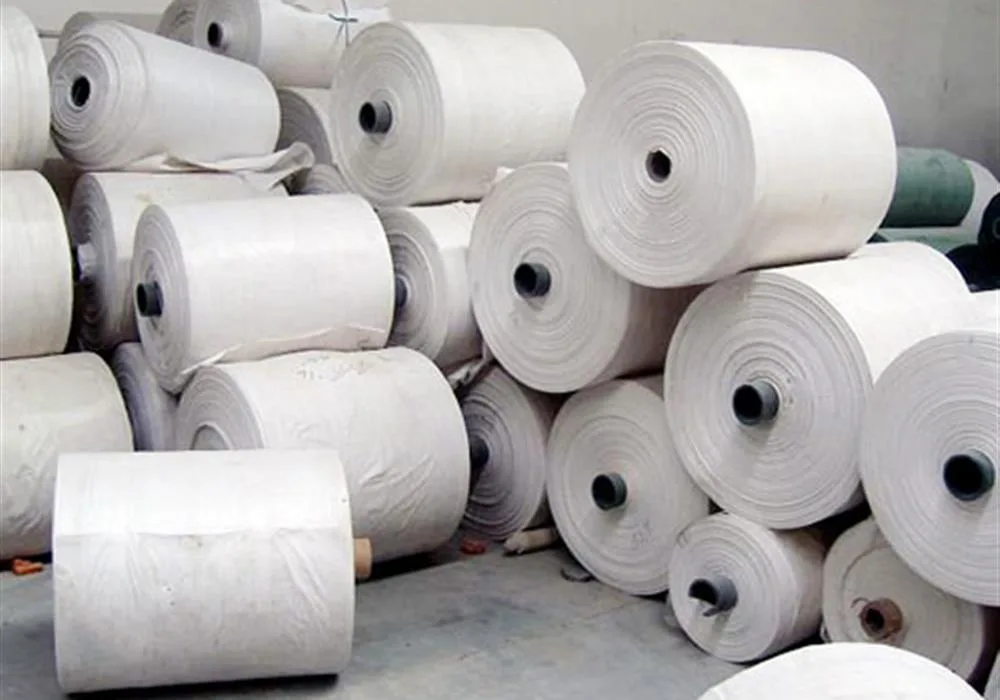
Polypropylene woven fabrics are built for repetition. The woven structure gives them strength without making them rigid, which means they can handle loading, unloading, and storage cycles without breaking down quickly. Instead of being discarded after one trip, they often stay in circulation for far longer than traditional packaging.
We’ve seen how this extended life changes the equation. Fewer replacements are needed. Storage areas don’t fill up with torn or unusable material. Handling becomes more predictable because the fabric behaves the same way over time. That consistency is what turns reusable industrial packaging from an idea into something practical.
Another part of the lifecycle that matters is maintenance. These fabrics don’t demand special treatment. Basic care and dry storage are usually enough to keep them usable. Over multiple cycles, that simplicity adds up. The material does its job, then does it again, without forcing constant intervention.
When sustainability is viewed through this lens, long-life packaging solutions start to make more sense. The benefit isn’t only environmental. It shows up in smoother operations, reduced waste, and fewer interruptions. Understanding the lifecycle of woven polypropylene helps explain why it has become part of broader logistics planning, rather than just a packaging choice.
Performance, Durability, and Why They Matter for Sustainability:
Sustainability in logistics often comes down to how materials behave when conditions aren’t ideal. Performance and durability aren’t just technical features. They decide whether packaging gets reused or thrown away after a single trip.
Built to handle pressure, not just weight:-
Polypropylene woven fabrics are designed to carry load without giving in to stress. The woven structure distributes weight evenly, which helps prevent tearing during stacking or transit. In real export scenarios, this matters when pallets sit under pressure for days, not minutes.
Moisture resistance that prevents silent damage
Moisture is one of the biggest reasons packaging fails early. These fabrics resist water absorption, which keeps their strength intact even in humid storage or during rainy loading. We’ve seen fewer cases of weakened material or hidden damage compared to paper-based alternatives.
Durability that supports reuse:-
Durability plays a direct role in waste reduction. Tear-resistant packaging stays in service longer, which lowers the need for frequent replacement. When a fabric survives multiple shipping cycles, sustainability becomes a byproduct of performance, not an extra effort.
Real-world example from logistics handling:-
In long-distance shipments, packaging often faces vibration, shifting loads, and repeated handling. Load-bearing packaging materials that hold their form under these conditions reduce breakage and limit repacking. That stability keeps materials in use longer and waste levels lower.
When durability aligns with real operational demands, sustainability follows naturally. Materials that last don’t need to be replaced as often, and that simple fact has a bigger environmental impact than most surface-level changes.
Why Logistics and Export Operations Are Adopting Woven Polypropylene:
The shift toward woven polypropylene didn’t happen overnight. It grew out of repeated operational friction and the need for packaging that could keep up without constant intervention. Across logistics and export environments, the reasons tend to sound familiar.
Here are the main reasons polypropylene woven fabrics are being adopted more widely:
- They reduce packaging turnover
Reusable sacks and wraps stay in circulation longer. Fewer torn units means less frequent reordering and less material heading to waste.
- They hold up during long export routes
In export packaging, consistency matters. Woven polypropylene maintains its structure through stacking, vibration, and extended transit, which improves export packaging efficiency.
- They handle varied cargo types
From agricultural goods to industrial materials, polypropylene woven sacks adapt well to different weights and shapes without compromising stability.
- They simplify storage and handling
These fabrics stack neatly and don’t collapse or deform easily. That improves space usage and makes warehouse handling more predictable.
- They support sustainability without disruption
Because the material is durable and reusable, operations don’t need to change workflows to see environmental benefits. Waste reduction happens naturally over time.
We’ve observed that logistics teams don’t adopt materials for ideal scenarios. They adopt what works repeatedly under pressure. Woven polypropylene fits into existing systems while quietly improving reliability, which is why it has become a practical choice across many export and distribution operations.
FAQ – Polypropylene Woven Fabrics and Sustainable Logistics:
What makes Polypropylene Woven Fabrics strong and reliable for shipping?
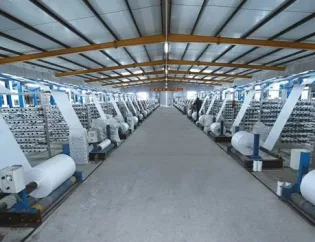
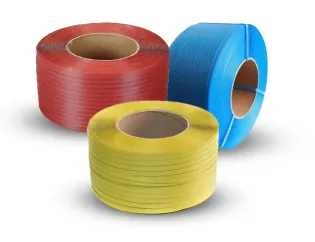
Polypropylene woven fabric is made by interlacing polypropylene tapes into a tight pattern, creating a material that resists tearing and can carry heavy and bulky items without breaking easily. This structure gives it high tensile strength and durability, which many logistics operations depend on for shipment protection.
Are polypropylene woven fabrics environmentally friendly?
They are often considered more sustainable than single-use packaging because they can be reused many times before reaching end of life. The material itself is recyclable, which means it can be processed into new plastic products after use, helping reduce waste when proper recycling systems are in place.
Can polypropylene woven fabrics be reused safely for multiple shipments?
Yes, woven polypropylene is designed for durability. Many companies reuse these fabrics several times, especially when they are stored properly and show no visible damage. Reuse helps cut down on packaging turnover and waste.
How do woven polypropylene materials perform in humid or long-haul routes?
Polypropylene resists moisture and doesn’t degrade easily when exposed to damp conditions. While plain woven fabric isn’t completely waterproof, it holds up significantly better than many alternatives and can be laminated or lined for enhanced protection in wet environments.
What industries typically use PP woven fabrics for packaging?
Woven polypropylene is common in agriculture (for grains and fertilizer), construction materials, food products, chemicals, and bulk industrial goods due to its durability, resistance to wear and tear, and ability to handle heavy loads.
These answers are based on industry-recognized material properties and common use cases, helping readers understand not just the “what” but the “why” behind polypropylene woven fabric performance in a sustainable logistics context.
Next Steps: Putting Sustainable Packaging into Practice:
Understanding the sustainability case is one thing. Applying it in day-to-day logistics is where the real value appears. For teams reviewing their packaging approach, the next step usually starts small. Test woven polypropylene in one product line. Observe how it performs through storage, handling, and delivery. Notice how often it needs replacement, and how it affects waste levels over time.
From our side, at Fazal & Sons, this transition is something we’ve supported across different logistics and export environments. The focus is always on fit, not force. Choosing the right fabric type, construction, and usage method helps ensure Polypropylene Woven Fabrics deliver both durability and sustainability without disrupting existing operations. Over time, these incremental changes are what make logistics systems more efficient, predictable, and responsible.