Understanding the Industrial Shift:
In my years working with exporters and industrial suppliers, I’ve seen firsthand how fragile packaging can jeopardize shipments. Heavy sacks, long-distance routes, and unpredictable weather often turn a carefully packed container into a logistical headache. Moisture seeps in, tears form in flimsy materials, and weeks of effort risk ending in product damage.
That’s where Polypropylene Woven Fabrics make a quiet but significant difference. Unlike conventional packaging, these fabrics are designed for durability, resilience, and cost-effectiveness. When we started introducing PP woven fabric solutions at Fazal & Sons, many clients were surprised at how simple changes in packaging could prevent losses and streamline operations. Today, industries across agriculture, chemicals, and FMCG are switching, often quietly, to these fabrics because they simply work.
By the end of this guide, you’ll understand why industrial packaging fabrics made from polypropylene are becoming the standard, how they perform, and what to look for when sourcing them.
The Structural and Technical Advantages of Polypropylene Woven Fabrics:
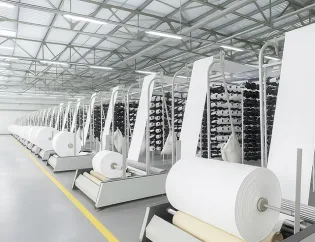
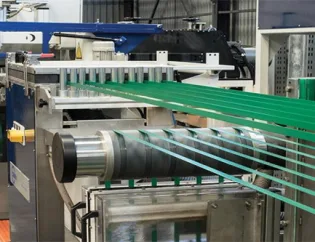
The strength of Polypropylene Woven Fabrics lies in their design. The fibers are tightly woven, which absorbs shocks and resists tearing. Even when handling heavy sacks of cement or large fertilizer bags, the material holds firm. A simple tug often reveals just how much tension these fabrics can withstand, something paper or jute alternatives can’t offer.
Moisture resistance is another game-changer. Polypropylene doesn’t absorb water, so shipments remain dry even in humid or coastal conditions. When laminated, these fabrics can resist UV damage and exposure to rain, giving exporters peace of mind. For example, we’ve seen cocoa exporters maintain product quality during the monsoon season simply by switching to laminated heavy-duty woven sacks.
Industries benefit differently depending on their cargo. Agricultural products stay safe during long hauls; chemical shipments require weather-proof, non-reactive packaging; FMCG goods are easier to handle and stack without damage. At Fazal & Sons, we focus on high-density industrial PP woven sheets to ensure every client receives material tailored for their needscwhether it’s standard sacks or large bulk liners.
Comparing Polypropylene Woven Fabrics to Traditional Packaging Materials:
I often get asked why companies should switch from jute or non-woven alternatives. From my experience, the difference is stark. PP woven fabric vs jute is a lesson in durability, jute can tear under heavy loads and absorb moisture, leading to product spoilage. Non-woven PP fabrics are lighter, but they lack tensile strength and often fail in long-haul shipments.
The real advantage is in lifecycle cost. While polypropylene woven fabrics might cost slightly more upfront, they reduce breakage, lower replacement frequency, and minimize customer claims. I recall a client shipping palletized sugar to the Middle East; after switching to laminated PP woven fabrics, claims dropped nearly 40% in a year. It wasn’t just about the packaging, it was about reliability and efficiency across the logistics chain.
For exporters navigating tropical climates, long-distance sea transport, or rough handling, durable export packaging isn’t a luxury, it’s essential. PP woven fabrics deliver that reliability consistently, which is why we’ve seen industries quietly transition to these materials.
Applications Across Industries:
From large-scale farming operations to chemical plants, Polypropylene woven fabrics for export packaging are everywhere. In agriculture, sacks carry rice, wheat, and fertilizers. Construction industries use them for cement and aggregate packaging. FMCG companies rely on them for sugar, powdered products, and bulk snacks. Even chemical manufacturers appreciate moisture-resistant liners for sensitive materials.
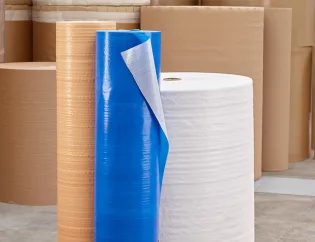
The versatility extends to packaging types: sacks, liners, bulk bags, and even pallet wraps. The fabrics’ durability reduces handling errors, prevents tears, and simplifies stacking and storage. One client, a cement distributor, shared how switching to PP woven bags cut their warehouse space usage by 15%, simply because the bags were stackable, uniform, and stronger.
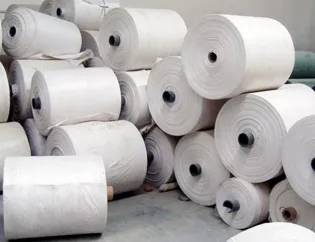
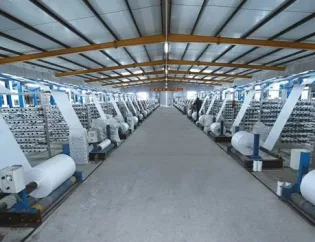
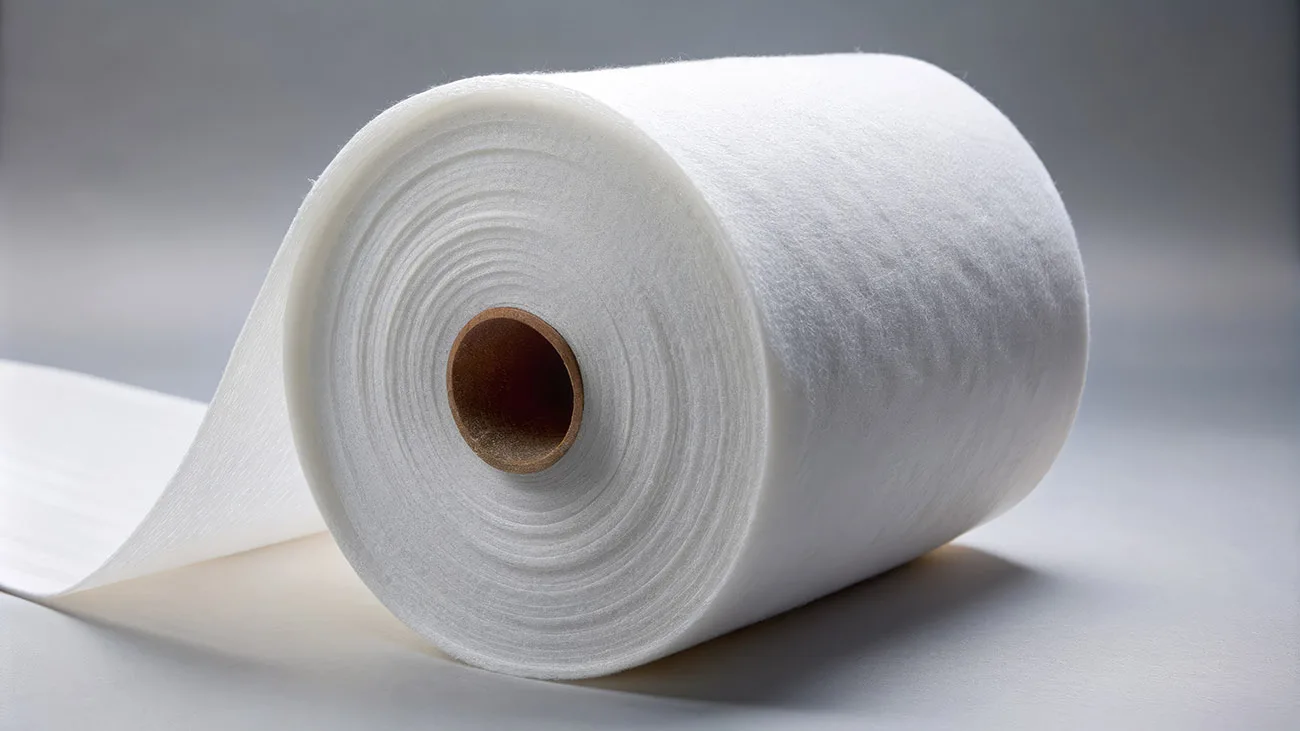
Beyond storage, operational efficiency improves. Workers spend less time patching torn bags, transport companies handle cargo more safely, and fewer claims reach insurance teams. Industrial PP woven fabric rolls aren’t just material, they are a workflow enhancer.
How to Source and Implement Polypropylene Woven Fabrics:
Finding the right supplier is crucial. At Fazal & Sons, we recommend evaluating several key factors before making bulk purchases:
- Certifications & Quality Control: Ensure the manufacturer tests for tensile strength, tear resistance, and lamination quality.
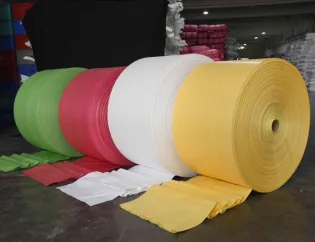
- Customization Options: Choose fabrics by GSM, weave density, and lamination type to match cargo needs.
- Sample Testing: Before ordering large volumes, run trial shipments to see how the fabrics perform under real conditions.
- Bulk Ordering & Lifecycle Management: PP woven fabrics can be reused multiple times if handled properly, further increasing cost efficiency.
Sourcing from a trusted provider not only guarantees product quality but also operational support. At Fazal & Sons, we supply laminated polypropylene woven fabrics and provide guidance on optimal use, helping clients maximize durability and savings.
FAQ – Polypropylene Woven Fabrics in Modern Export Packaging:
- What makes Polypropylene Woven Fabrics better than other materials?
They combine tensile strength, tear resistance, and moisture protection, outperforming jute, paper, and non-woven alternatives.
- Can PP woven fabrics be reused?
Yes. With careful handling, bags and liners can be reused several times, lowering long-term costs.
- How does lamination help?
Lamination improves water resistance, UV protection, and abrasion resistance, keeping cargo intact during harsh shipping conditions.
- Are these fabrics environmentally safe?
Polypropylene fabrics are recyclable. When managed properly, theyprovide a sustainable alternative to single-use packaging.
- Where can I source bulk PP woven fabrics?
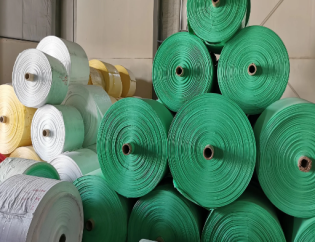
Reliable suppliers likeFazal & Sons offer bulk rolls, custom GSM, and lamination options tailored for industrial needs.
Final Thought + CTA – Packaging That Works for Your Business:
Every shipment tells a story. Weak packaging can erase weeks of planning in hours. Polypropylene Woven Fabrics offer durability, reliability, and cost efficiency, quietly transforming industrial logistics.
If you want your exports to arrive intact, reduce claims, and improve operational flow, it’s time to explore PP woven solutions. At Fazal & Sons, we provide tailored industrial-grade fabrics and expert guidance so your packaging doesn’t just contain your goods, it protects your reputation.
Every shipment counts. Strong, sustainable industrial packaging fabrics make the difference. Contact Fazal & Sons today and take the first step toward safer, more efficient logistics.