The Shift Exporters Are Experiencing in Packaging Choices:
For many exporters, packaging used to be a routine decision. Once a material proved usable, it stayed in rotation for years with little question. Lately, that mindset has started to change. Longer routes, mixed climates, tighter delivery schedules, and higher customer expectations have all added pressure to packaging systems that were never designed for today’s logistics environment. Somewhere along the way, reliability became just as important as availability.
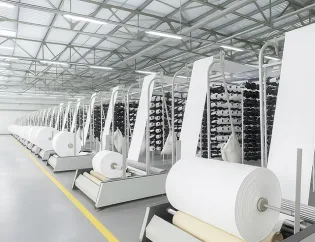
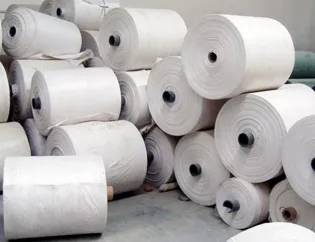
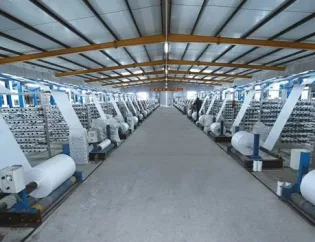
This is where Polypropylene Woven Fabrics began to surface more frequently in export discussions. Not because they were new, but because traditional materials were no longer holding up as quietly as before. Moisture exposure during transit, repeated handling at ports, and extended storage times revealed weaknesses that once went unnoticed. What used to be written off as occasional damage slowly became a pattern.
From our perspective, these shifts didn’t show up in reports or forecasts first. They showed up on the ground. Torn sacks, softened paper packaging, and inconsistent load stability started adding friction to otherwise well-planned shipments. Each small failure carried a cost, sometimes financial, sometimes operational, often both. Exporters began looking for packaging that could move with the cargo, not work against it.
At Fazal & Sons, conversations around industrial packaging increasingly revolve around longevity and consistency. Exporters want materials that behave the same way on the tenth shipment as they did on the first. They want packaging that tolerates humidity, weight, and movement without constant replacement. This shift in expectations has naturally pushed woven polypropylene into focus, not as a trend, but as a response to how export logistics actually operate today.
The change isn’t driven by theory. It’s driven by experience. Packaging choices now reflect the realities of global movement, where durability, reuse, and predictability are no longer optional, they are essential.
Where Traditional Packaging Starts to Break Down:
Export packaging often looks fine at dispatch. Problems surface later, usually far from the warehouse.
Moisture doesn’t announce itself:-
Paper and jute react quickly to humidity. A damp morning at the port can be enough. Fibers soften, strength drops, and damage starts quietly during transit.
Handling leaves its mark:-
Export cargo is lifted and shifted many times. Traditional materials lose shape with each movement. Small tears widen, corners weaken, and protection slowly fades.
Short lifespan adds pressure:-
Single-use packaging creates repetition. More repacking. More disposal. More interruptions. The material cost stays low, but the operational cost keeps rising.
Inconsistent behavior disrupts planning:-
Some sacks stretch. Others tear early. That inconsistency makes load balance harder to predict. Stable pallets become harder to maintain across long routes.
These issues rarely cause a single failure. They create steady friction instead. Over time, that friction pushes exporters to rethink whether older packaging still fits today’s logistics reality.
What Makes Polypropylene Woven Fabrics Fit Export Reality Better:
Once exporters begin questioning older packaging, the next step is practical evaluation. What actually works better, and why. This is usually where Polypropylene Woven Fabrics start to stand out, not because of claims, but because of behavior in real shipments.
Here are the specific reasons exporters keep moving toward woven polypropylene:
- Higher load tolerance without added weight
The woven structure distributes weight evenly. Heavy sacks stay stable without needing thicker, heavier material that complicates handling.
- Minimal moisture absorption
Polypropylene doesn’t soak up water like paper or jute. Even in humid routes, the fabric keeps its strength instead of softening mid-journey.
- Controlled stretch under pressure
Loads settle during transit. Woven polypropylene allows slight movement without losing shape, which helps pallets stay aligned instead of collapsing inward.
- Resistance to tearing at stress points
Corners and seams take the most abuse. Tear resistance here means fewer split sacks during unloading and stacking.
- Designed for reuse, not disposal
Many export cycles end with packaging still intact. Reuse reduces waste and lowers how often replacements are needed.
What matters most is consistency. Exporters don’t need packaging that performs once. They need material that behaves the same way shipment after shipment. Polypropylene woven fabrics earn their place by delivering that predictability under conditions where traditional packaging tends to fall apart.
How Exporters Are Using Polypropylene Woven Fabrics in Practice:
After testing comes adoption, and adoption usually starts where failure is most expensive. Exporters don’t switch everything at once. They begin with the cargo that suffers most from damage, moisture, or handling stress.
In agriculture and commodities, woven polypropylene sacks are used for grains, seeds, and fertilizers. These loads sit for long hours, sometimes days, in humid conditions. The fabric holds its shape, resists dampness, and survives repeated lifting without tearing at the seams.
For construction materials, weight is the main challenge. Cement, minerals, and aggregates demand packaging that can carry load without stretching unevenly. Polypropylene woven fabrics distribute pressure better, which keeps pallets balanced during stacking and unloading.
In chemical and industrial goods, predictability matters more than appearance. Bags and liners made from woven polypropylene reduce the risk of leaks caused by weakened packaging. Even when handled roughly, the material stays intact longer.
FMCG exporters often focus on storage and space efficiency. Uniform woven sacks stack neatly, don’t collapse under weight, and make warehouse layouts easier to manage. Over time, fewer damaged units mean fewer customer complaints and fewer last-minute fixes.
What ties these use cases together is not industry type, but operating conditions. Long routes, mixed climates, and repeated handling reward materials that behave consistently. That reliability is what keeps woven polypropylene in rotation once exporters see it perform beyond a single shipment.
Cost and Sustainability Seen Over Time, Not Per Shipment:
Cost usually gets measured at purchase. Sustainability shows up later.
With Polypropylene Woven Fabrics, the difference becomes clear after a few shipping cycles. The material doesn’t give up after one trip. It comes back intact, gets reused, and keeps doing its job without demanding extra handling.
That durability changes how waste builds up. Fewer torn sacks mean fewer replacements. Storage areas stay cleaner. Disposal becomes occasional instead of routine. Nothing dramatic happens, which is the point.
From a logistics standpoint, sustainability here isn’t about switching systems. It’s about reducing repetition. When packaging lasts longer, operations slow down less. That steadiness is what lowers long-term cost, without forcing teams to work differently.
Over time, exporters start noticing fewer interruptions and more predictable outcomes. Sustainability, in this case, is simply the result of packaging that holds up when it’s needed most.
FAQ – Polypropylene Woven Fabrics in Export Packaging:
Q1. Why are exporters replacing traditional packaging with Polypropylene Woven Fabrics?
Traditional materials struggle with moisture, handling stress, and long transit times. Polypropylene woven fabrics hold their structure better, which reduces damage and repeat packaging work.
Q2. Can Polypropylene Woven Fabrics be reused across multiple shipments?
Yes, reuse is one of their practical advantages. When handled and stored properly, the fabric remains usable over several shipping cycles without losing strength.
Q3. How do these fabrics perform in humid or coastal export routes?
Polypropylene resists moisture absorption. Unlike paper or jute, it doesn’t weaken quickly in damp conditions, which helps maintain load stability during transit.
Q4. When does lamination become necessary for export packaging?
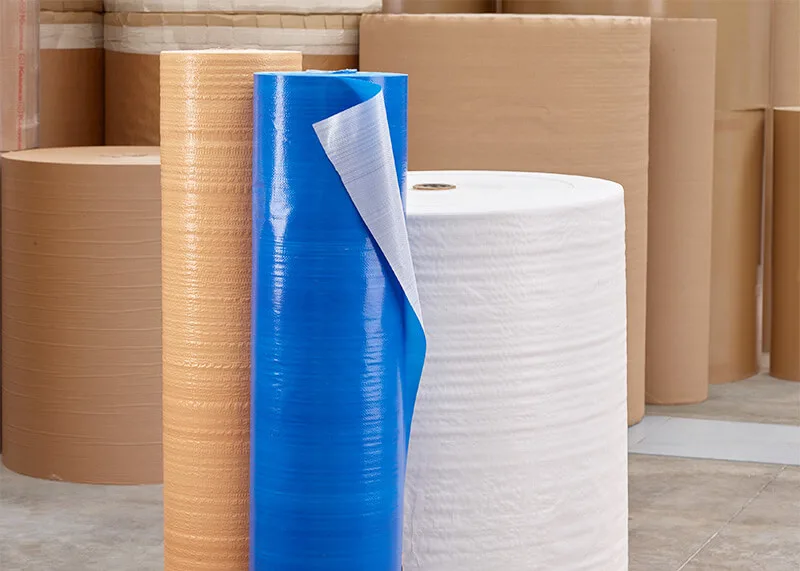
Lamination is useful when cargo needs added protection from surface moisture, dust, or contamination. It’s often chosen for chemicals, food-grade products, or extended outdoor exposure.
Q5. Are Polypropylene Woven Fabrics recyclable?
They are recyclable and often reused before recycling becomes necessary. Their longer lifecycle reduces waste volume compared to single-use packaging materials.
Q6. How do exporters choose the right fabric strength or GSM?
Selection depends on cargo weight, stacking height, and handling frequency. Testing samples under real conditions usually provides clearer guidance than relying on specifications alone.
These questions come up often because export packaging decisions rarely fail immediately.
Understanding how materials behave over time helps exporters choose solutions that stay reliable beyond the first shipment.