Why Export Packaging Reliability Matters
Export shipments rarely travel gently. Pallets pass through forklifts, container yards, port storage areas, and humid coastal terminals.
Packaging usually fails in small ways first. Seams stretch, sacks soften from moisture, and stacked pallets begin to lean during transit.
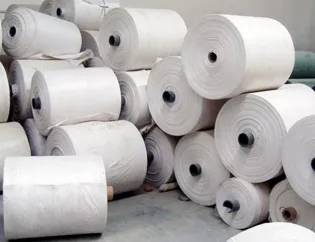
Many exporters eventually turn to Polypropylene Woven Fabrics after running into those problems. The woven material handles weight well and absorbs almost no water, which helps cargo remain stable through long transport routes.
Grain exporters, fertilizer suppliers, and cement distributors often rely on woven sacks for that reason. Loads stay aligned on pallets, and fewer packages split during unloading.
Experience at Fazal & Sons shows the same pattern repeatedly. Strong packaging rarely draws attention, but shipments move more smoothly when the material holds its shape.
Structural Strength of Polypropylene Woven Fabrics
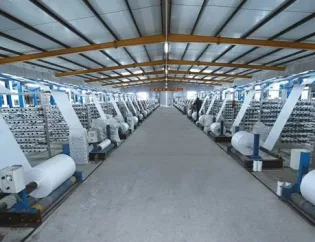
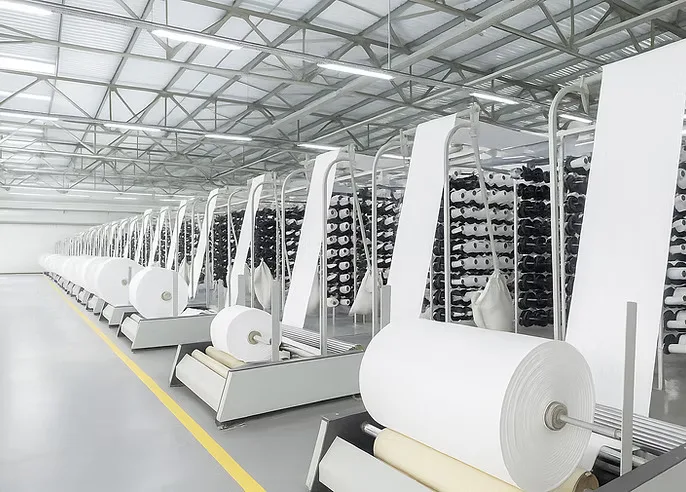
Export packaging must carry weight without tearing or losing shape during handling. Industrial packaging fabrics are often judged by how they behave under repeated loading, stacking pressure, and long storage cycles. Polypropylene Woven Fabrics handle these demands through a tightly interlaced structure that distributes load across the entire fabric.
Woven Structure and Tensile Strength:
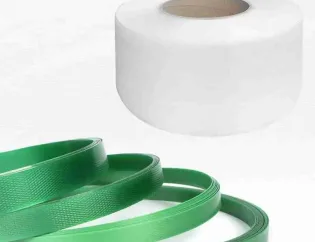
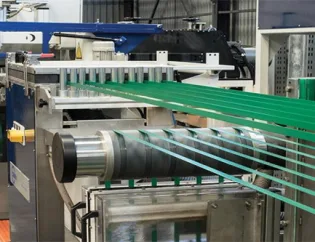
Polypropylene tapes are woven together in a cross-pattern that spreads stress across multiple strands. Heavy pallet loads press on the surface, yet the fabric holds tension without splitting along seams. This woven design helps sacks keep their structure during lifting, stacking, and container transport.
Lightweight Yet Durable:
Strength alone does not define effective packaging. Weight also matters during loading and transport. Woven polypropylene fabrics offer a strong structure without adding unnecessary bulk, allowing workers to handle filled sacks more easily while keeping pallet weights predictable.
Adaptability Across Packaging Formats:
Polypropylene woven materials appear in several export packaging formats:
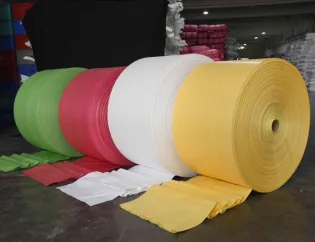
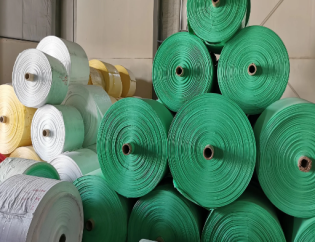
- Woven sacks used for cement, fertilizers, grains, and polymers
- Bulk bags designed for larger industrial shipments
- Protective liners placed inside containers to stabilize loose cargo
Each format relies on the same woven foundation. The structure remains stable under pressure while allowing flexible design for different cargo types.
Why Polypropylene Woven Fabrics Work Well in Export Logistics
Export shipments pass through humidity, vibration, and repeated handling before reaching their destination. Polypropylene Woven Fabrics hold up well in these conditions because the material keeps its strength during long transport cycles.
A few practical reasons explain why exporters rely on them:
- Low moisture absorption
Polypropylene does not absorb much water, which helps sacks stay strong in humid storage areas and coastal ports.
- Stable pallet stacking
Woven sacks hold their shape underweight, keeping pallet loads aligned during storage and transport.
- Resistance to abrasion
Container movement and repeated handling create friction. The woven structure tolerates rubbing without tearing easily.
- Reliable performance over long routes
Export cargo may travel for weeks. Packaging that maintains its strength reduces handling issues during unloading.
Strong packaging rarely becomes the focus of attention during successful shipments. Reliable materials simply keep cargo protected while logistics operations continue moving.
Sustainability and Reusability Advantages
Export operations increasingly pay attention to packaging waste and material lifespan. Polypropylene Woven Fabrics support this shift because the material often remains usable after the first shipment.
Exporters reuse woven sacks when cargo handling and storage conditions allow safe recovery. A sack that completes several shipping cycles reduces the need for constant replacements.
A few practical advantages explain why many logistics operations keep using woven polypropylene packaging:
- Reusable packaging for multiple shipments
Woven sacks often return from transport with their structure intact.
- Lower packaging waste
Fewer discarded sacks mean less material entering disposal streams.
- Long service life
Durable woven structures tolerate repeated filling, stacking, and unloading.
- Operational simplicity
Reusable sacks reduce frequent packaging replacement during busy export cycles.
Sustainable packaging rarely depends on complex solutions. Materials that last longer and perform consistently often make the biggest difference in day-to-day logistics.
How Businesses Source the Right Polypropylene Woven Fabrics
Selecting Polypropylene Woven Fabrics begins with understanding the cargo being shipped. Weight, storage conditions, and handling frequency often determine the appropriate fabric strength and sack design.
Exporters usually evaluate several material factors before placing large orders. Fabric weight, often measured in GSM, influences durability under heavy loads. Weave density also affects how well sacks hold shape during stacking and transport.
Lamination becomes important when cargo faces humidity or outdoor storage. A laminated layer can provide additional moisture resistance while protecting the woven surface from abrasion.
Reliable suppliers also maintain consistent production quality across batches. At Fazal & Sons, packaging discussions with clients often focus on matching woven fabric specifications to the conditions their shipments encounter during storage, transport, and export handling.
FAQ – Polypropylene Woven Fabrics for Export Packaging
Q1. What makes Polypropylene Woven Fabrics suitable for export shipments?
Polypropylene woven sacks don’t usually end their life after one shipment. Clean sacks are often reused several times, and the material itself can later be melted and recycled into other plastic products.Do polypropylene woven sacks absorb moisture during shipping?
Humidity often becomes a problem in coastal ports and container yards. Polypropylene fibers resist water absorption, so woven sacks keep their strength even when surrounding air remains damp.
Q2. Can polypropylene woven sacks be reused safely?
Reuse depends on the condition of the fabric after unloading. Many exporters refill sacks when seams remain tight and the woven structure shows no tearing or distortion.
Q3. When does lamination become necessary for polypropylene woven fabrics?
Lamination becomes useful when cargo faces dust, fine powders, or extended storage in humid environments. The extra coating helps keep moisture and particles from passing through the woven surface during handling and transit.
Q4. Are Polypropylene Woven Fabrics recyclable after use?
Yes. Polypropylene falls under recycling category five, which means the material can be melted and processed into new plastic products. In practice, some exporters reuse clean sacks several times before sending them for recycling.
Q5. How long do Polypropylene Woven Fabrics usually last in export packaging?
Service life varies with handling conditions and cargo weight. Some sacks complete several shipment cycles before visible wear begins to appear.
Reliable Packaging for Everyday Export Work
Export packaging becomes noticeable only when something fails. A torn sack or leaning pallet can delay an entire dispatch.
Polypropylene Woven Fabrics gained acceptance because the material tolerates humidity and heavy stacking without losing structure. Exporters notice the difference during routine warehouse work. Pallets stay aligned. Fewer sacks split.
At Fazal & Sons, conversations with logistics teams often return to the same point. Reliable materials remove small disruptions that slow shipping.