Strapping rarely receives attention until a pallet collapses or cargo shifts during unloading. Many logistics problems begin with small material failures that appear only after shipments leave the warehouse.
Choosing the right Pet Strap Manufacturer influences far more than basic packaging supplies. Industrial strapping controls load compression, maintains pallet shape, and prevents gradual movement inside containers.
Inconsistent straps often stretch unevenly or snap during tightening, creating unstable pallet loads. Reliable manufacturers maintain material consistency so tension behaves predictably across each shipment.
At Fazal & Sons, daily work with exporters and warehouse operators reveals a simple pattern. Stable strapping materials quietly protect cargo while reducing avoidable disruptions during transport.
What Industrial PET Straps Actually Do in Shipments
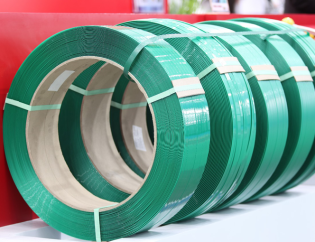
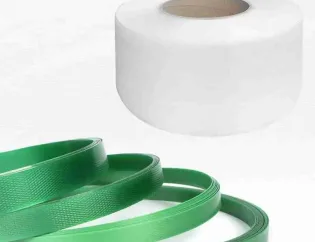
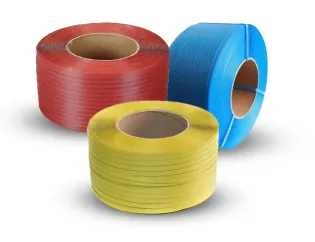
Industrial shipments place constant pressure on packaging systems. Reliable industrial strapping solutions help pallets stay compressed and predictable while cargo moves through warehouses, trucks, and container terminals.
In practical shipping conditions, PET strapping supports several critical functions:
- Maintaining load tension
Straps compress pallet loads and keep cartons tightly grouped during transport vibrations and sudden braking.
- Absorbing movement and shocks
PET material stretches slightly under pressure, helping the load absorb impacts instead of transferring stress to the cargo.
- Supporting pallet stability
Consistent tension keeps stacked goods aligned, which reduces shifting during container loading and unloading.
- Improving handling safety
Stable pallets allow warehouse teams to move loads confidently without constant adjustments or emergency repacking.
How Secure Cargo Straps Improve Shipment Safety
Cargo rarely fails all at once. Small shifts begin during loading, then grow worse as trucks move and containers vibrate. Secure cargo straps reduce those early movements and keep pallet loads stable through the entire trip.
Fewer Pallet Collapses:
Weak or uneven straps allow stacked cartons to loosen under pressure. Reliable strapping keeps the load compressed so the pallet holds its shape during storage and transport.
Lower Risk of Product Damage:
Loose cargo often rubs against neighboring cartons or container walls. Strong strapping keeps units grouped together, which reduces friction and limits breakage during long routes.
Safer Loading and Unloading:
Warehouse crews depend on stable pallet loads while moving cargo with forklifts and pallet jacks. Secure cargo straps keep cartons compressed, which lowers the chance of sudden shifting when pallets are lifted, tilted, or repositioned.
More Stable Container Loads:
Consistent strapping improves balance when pallets enter containers. Even compression helps each load remain aligned, especially when containers travel long distances over uneven roads or rough sea conditions.
Handling Stability During Long Transport:
Export shipments rarely move in a straight line. Pallets pass through warehouses, trucks, and port terminals before reaching their destination. Each transfer adds pressure on the packaging.
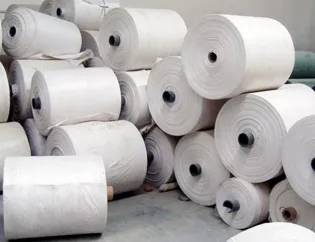
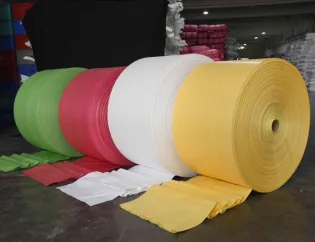
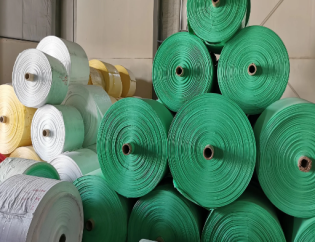
Polypropylene woven fabrics tolerate that handling well. The woven structure distributes weight across the surface of the sack rather than concentrating stress at a single point. Stacks remain stable even when pallets shift slightly during loading.
Logistics teams notice the difference during long journeys. Fewer sacks collapse under pressure. Pallets arrive with fewer adjustments needed at the destination warehouse.
How Businesses Choose a Reliable Pet Strap Manufacturer
Choosing a reliable Pet Strap Manufacturer rarely depends on price alone. Logistics teams usually examine how the material behaves under real working conditions before committing to large supply orders.
Material Strength and Testing:
High-strength PET strapping should hold tension without snapping or stretching unpredictably. Buyers often request test samples so they can evaluate strap behavior during pallet compression and transport simulation.
Consistent Roll Quality:
Production consistency matters just as much as raw material strength. Uneven rolls or inconsistent thickness can create tension problems during strapping, especially when automated packing machines operate at high speed.
Manufacturing Control:
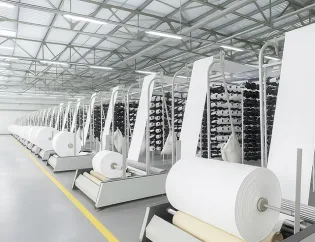
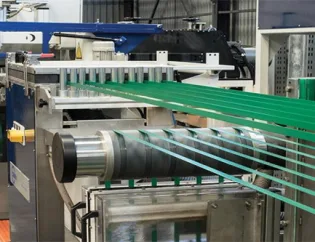
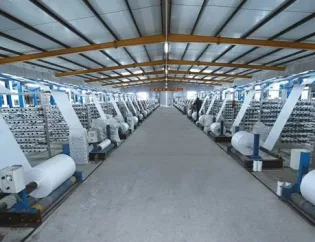
Reliable manufacturers monitor extrusion, cooling, and winding processes carefully. Stable production conditions help ensure every strap roll behaves similarly during tightening and load securing.
Communication and Technical Guidance:
Clear supplier communication often reveals manufacturing reliability. At Fazal & Sons, discussions with logistics teams typically focus on matching strap strength and roll specifications to the cargo they handle daily.
FAQ – Pet Strap Manufacturer and Industrial Strapping
Q1. Why does strap quality differ between manufacturers?
Production discipline plays a large role. Small changes in extrusion temperature, cooling control, or raw material purity affect how straps stretch and hold tension.
Q2. Do PET straps really stabilize pallet loads during transport?
Yes, when the material behaves consistently. Proper tension keeps cartons compressed so pallets stay aligned during long truck routes and container handling.
Q3. What should companies test before buying strapping in bulk?
Most logistics teams start with sample rolls. They tighten straps on real pallet loads and watch how the tension behaves after movement and storage.
Q4. Are PET straps strong enough for heavy industrial cargo?
Many factories use them for cement bags, bricks, polymers, and metal parts. High-strength polyester strapping handles demanding pallet weights without the risks associated with steel bands.
Q5. Why do some warehouses replace steel strapping with PET straps?
Steel can rust and snap back dangerously when cut. Polyester strapping stays lighter, safer to handle, and still holds strong compression around pallet loads.
Q6. How can businesses recognize a reliable Pet Strap Manufacturer?
Consistency usually reveals it. Good manufacturers produce rolls with uniform thickness and predictable tension behavior during pallet tightening.
Reliable Strapping for Modern Logistics
Industrial shipments rarely fail because of one large mistake. Small weaknesses in packaging materials often create the real trouble during transport.
A dependable Pet Strap Manufacturer helps prevent those problems before cargo leaves the warehouse. Consistent PET strapping keeps pallet loads compressed and reduces the gradual movement that leads to damaged shipments.
Many logistics teams notice the difference during routine dispatch work. Stable straps keep loads tight, forklifts move pallets confidently, and fewer adjustments interrupt the loading process.
Experience at Fazal & Sons shows how reliable strapping materials support everyday shipping operations. When strap quality remains consistent, cargo handling becomes easier and shipment stability improves across the entire route.