Why Industrial Strapping Is Often Overlooked:
In most shipping and warehouse operations, strapping doesn’t get much attention. Teams focus on pallets, containers, delivery schedules, and routes. If a load looks stable at dispatch, the straps are usually taken for granted. We’ve seen this mindset across many industrial setups.
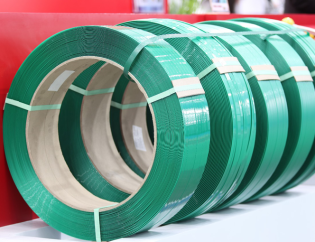
Problems surface later. Pallets shift. Loads lean. Damage appears where none was expected. At that stage, the quality of the strap and the Pet Strap Manufacturer behind it suddenly become central to the conversation. What seemed like a minor component turns out to be a deciding factor.
From our experience, industrial strapping works quietly in the background when it’s done right. It absorbs movement, maintains tension, and keeps loads predictable through handling and transit. When that consistency is missing, the effects ripple through the entire shipment. Understanding this role is the first step toward safer, more reliable logistics.
What Industrial PET Straps Actually Do in Real Shipments:
Once you look past the surface, strapping stops being a simple accessory. In real shipments, especially industrial ones, PET straps take on more responsibility than most people expect. We’ve seen their impact most clearly when things don’t go as planned.
Here’s what industrial PET straps actually handle during transit:
- Maintaining load tension
As trucks move and containers vibrate, straps need to hold tension without snapping or loosening. PET straps manage this balance better when manufactured consistently.
- Supporting load stabilization
Pallets shift under pressure from stacking and cornering. Proper strapping keeps units aligned and prevents gradual movement that leads to damage.
- Absorbing sudden shocks
Handling isn’t always gentle. Drops, stops, and uneven surfaces put stress on straps. PET material absorbs these shocks instead of transferring them directly to the cargo.
- Holding shape during long hauls
Over distance and time, weaker straps stretch unevenly. Industrial-grade PET straps retain their form, which helps loads stay predictable until delivery.
- Reducing handling risks
When strapping behaves as expected, loading crews work with more confidence. Fewer adjustments are needed, and safety improves on the floor.
In practice, these functions don’t stand out when everything goes right. They only become visible when strapping fails. That’s why understanding what PET straps actually do, beyond simply tying a load, is essential before moving on to questions of sourcing and manufacturing quality.
Why the Manufacturer Matters More Than the Strap Itself:
At some point, it becomes clear that performance isn’t just about the strap you see on the pallet. Two PET straps can look identical and behave very differently once tension is applied. That difference usually traces back to how they were made, not how they were used.
Consistency shows up under pressure:
In day-to-day operations, inconsistency is easy to miss. One roll performs well, the next stretches too much, another snaps earlier than expected. These small variations don’t announce themselves upfront. They show up mid-shipment, when adjustments are no longer an option. A reliable Pet Strap Manufacturer controls these variables so each roll behaves the same way under load.
Tensile strength is more than a number:
We often hear tensile strength discussed as a specification. In practice, it’s something you feel during tightening and handling. Good manufacturing ensures the strap resists force gradually instead of failing suddenly. That controlled response protects both the cargo and the people working around it.
Uniform rolls make operations predictable:
When roll quality varies, operations slow down. Crews hesitate. Extra checks creep into the process. Uniform manufacturing removes that uncertainty. Straps feed smoothly, tension evenly, and behave the way operators expect, shift after shift.
The source shapes the outcome:
This is where the role of the manufacturer outweighs the product label. PET strapping sourced from a manufacturer that prioritizes material quality, process control, and testing delivers stability beyond the strap itself. It reduces surprises, limits disruptions, and supports smoother shipping routines overall.
Understanding this connection helps explain why strapping issues are rarely solved by changing handling methods alone. Often, the real solution starts further upstream, at the source.
Common Problems Caused by Poor-Quality Industrial Strapping:
Strapping problems rarely show up as one clear failure. They appear as a series of small issues that keep repeating until they start affecting schedules and trust. We’ve seen these patterns often enough to recognize them early.
Here are the most common issues caused by weak or inconsistent strapping:
- Pallet shift during transit
When straps stretch unevenly or lose tension, loads slowly move out of alignment. Even a slight shift can compromise stability by the time the container is opened.
- Container imbalance
Uneven strapping leads to uneven weight distribution. This increases the risk of damaged goods and makes unloading slower and more cautious than necessary.
- Handling delays on the floor
Crews pause when straps don’t behave predictably. Extra checks and rework become routine, which slows operations and adds frustration.
- Packaging failure under pressure
Poor-quality straps fail when loads are stacked, tightened, or exposed to vibration. Packaging failure prevention starts long before dispatch, not during damage control.
- Erosion of supply chain reliability
Missed timelines, replacements, and follow-up explanations take a toll. Over time, these issues affect confidence, both internally and with customers.
From our work at Fazal & Sons, these problems are rarely isolated incidents. They tend to repeat until the root cause is addressed. Strong strapping doesn’t eliminate every risk, but it plays a key role in shipment damage reduction and in keeping day-to-day operations predictable rather than reactive.
Yes, a comparison table fits this section perfectly.
It improves readability, on-page SEO, and user trust, especially for buyers who want clarity without marketing noise.
Below is a clean, practical, non-promotional section written in the same voice, followed by a data-focused comparison table.
PET vs PP Straps – What Manufacturers Should Explain Clearly:
In real operations, confusion between PET and PP straps is common. On paper, both look capable. In practice, they behave very differently once loads are tightened, stacked, and sent across long routes. We’ve learned that choosing between them isn’t about labels or pricing. It’s about how each strap reacts under stress.
A responsible manufacturer should explain these differences plainly, without overselling either option. The goal is to match the strap to the job, not force one solution everywhere.
Below is a practical comparison based on industrial strapping applications, not marketing claims.
PET Strapping vs Polypropylene Strapping:
| Feature | PET Straps | PP Straps |
| Typical load range | Medium to heavy industrial loads | Light to medium loads |
| Stretch behavior | Controlled stretch that absorbs shock | Higher stretch, less control under tension |
| Tensile strength | Higher and more consistent | Lower, varies by quality |
| Load stabilization | Maintains tension during long transit | Tension reduces over time |
| Durability | Performs well under vibration and stacking | Prone to deformation under pressure |
| Industrial suitability | Export packaging, pallets, heavy goods | Cartons, lighter bundling |
| Reuse potential | Limited reuse possible with inspection | Generally single-use |
| Best use case | Long-haul and high-stress shipments | Short-distance or lighter applications |
Where PET Straps Become the Better Choice:
PET straps make sense when loads are heavy, routes are long, or handling conditions are unpredictable. Their controlled stretch helps prevent sudden failure, which is critical when cargo faces vibration, stacking pressure, or repeated movement.
PP straps still have their place. They work well for lighter applications where cost and speed matter more than long-term tension control. Problems arise when PP straps are pushed beyond what they’re designed to handle.
This is where manufacturer guidance matters. A knowledgeable supplier explains limitations upfront and helps align strap choice with real conditions. That clarity prevents misuse, reduces failure, and supports more reliable shipping outcomes overall.
Where Reliable Industrial Strapping Fits Into Long-Term Operations:
Over time, the role of strapping shifts from a simple packaging step to a stabilizing factor in daily operations. When straps perform consistently, planning becomes easier. Loads behave the way teams expect them to, and fewer adjustments are needed on the warehouse floor. This kind of predictability is what turns secure packaging solutions into an operational advantage rather than just a material choice.
Reliable strapping also smooths out workflows across departments. Warehouse teams spend less time correcting issues, while dispatch and logistics teams gain confidence in timelines. Exports move with fewer interruptions because pallets arrive intact and balanced. These small efficiencies add up, not as dramatic cost cuts, but as steadier, more manageable processes.
The real value shows itself over the long term. Instead of reacting to failures, teams can focus on consistency and control. Strapping that holds under pressure supports long-term shipping efficiency, reducing uncertainty and helping operations scale without adding unnecessary stress.
FAQ – Pet Strap Manufacturer and Industrial Strapping:
Why does strap quality vary between suppliers?
Quality differences usually come down to raw material selection, manufacturing controls, and testing standards. A consistent Pet Strap Manufacturer manages these variables carefully so each roll performs the same under load, not just the first few.
How can inconsistent strapping affect export shipments?
Inconsistent straps lose tension at different rates. This leads to pallet shift, uneven load pressure, and higher risk of damage during long transit or stacking.
What tests should be done before bulk orders?
We recommend checking tension behavior, stretch response, and edge integrity under real handling conditions. A small trial shipment often reveals issues that lab numbers alone do not.
How do we know a strap manufacturer is reliable?
Reliability shows up over time. Consistent batches, clear communication, and willingness to address performance questions are strong indicators. A dependable manufacturer focuses on long-term performance, not short-term volume.
Final Thoughts – Choosing Stability Over Shortcuts:
In industrial shipping, stability is built through small, dependable choices. Strapping may not be the most visible part of the process, but its performance affects every stage that follows. When tension holds and loads stay balanced, operations feel more predictable and easier to manage.
Choosing the right Pet Strap Manufacturer is part of that foundation. Consistent strapping supports industrial shipping reliability by reducing uncertainty, limiting disruption, and helping teams focus on execution instead of correction. Over time, these decisions shape how smoothly goods move from warehouse to destination.
From our experience, working with established manufacturers such as Fazal & Sons brings clarity to this process. Not through bold promises, but through materials that perform as expected. In the long run, choosing stability over shortcuts is what keeps logistics steady and dependable.