Why Moisture Resistance Matters in Packaging:
Long-distance shipments rarely face only one challenge. Even small amounts of moisture can compromise packaging integrity, cause product deterioration, and lead to unexpected delays or financial losses. From grains exposed to tropical humidity to industrial goods crossing coastal ports, the risk is real. Over time, we have noticed that many exporters underestimate how subtle moisture exposure accumulates during transport.
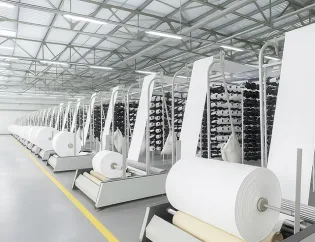
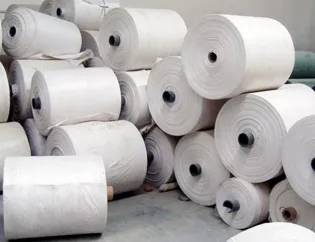
In our experience, Polypropylene Woven Fabrics provide a practical solution. Their woven structure gives tensile strength and moisture resistance without adding significant weight. For companies seeking packaging that preserves product quality while keeping costs manageable, polypropylene woven fabrics have become an increasingly trusted option. This blog explores why they perform so well, how they compare to traditional alternatives, and what to consider when sourcing them.
Understanding Polypropylene Woven Fabrics and Their Moisture Defense:
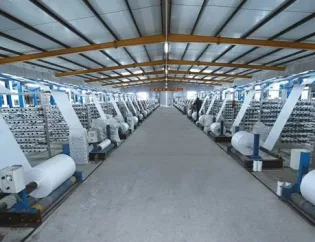
The effectiveness of Polypropylene Woven Fabrics begins with the weaving process itself. Individual polypropylene threads are tightly interlaced, creating a dense mesh that naturally resists water. Unlike jute or paper-based materials, moisture regain is approximately zero percent, meaning the fabric absorbs very little water. When combined with lamination, the barrier against humidity and accidental spills becomes even stronger.
UV resistance and general weather durability further extend the material’s usefulness. For example, a shipment of fertilizers traveling from Pakistan to Southeast Asia may face both high humidity and intense sunlight. A laminated PP woven fabric ensures the goods stay dry and intact throughout transit. Similarly, chemical powders or industrial components retain their quality because the fabric prevents exposure to condensation or rain, which could otherwise compromise their safety or effectiveness.
Comparing Polypropylene Woven Fabrics with Traditional Materials:
Traditional materials like jute, burlap, or non-woven fabrics have been widely used, yet they often fall short under challenging conditions. Jute can swell and weaken when damp, while non-woven polypropylene sheets may tear under heavy loads. In contrast, woven PP maintains its strength while remaining lightweight, allowing exporters to ship more without increasing container weight.
The real difference appears over multiple shipments. Using cheaper, short-term alternatives can create hidden costs through damaged goods, higher replacement rates, or even rejected containers at customs. Our clients have noted that switching to Polypropylene Woven Fabrics significantly reduces losses in long-distance containerized shipments, particularly in tropical or coastal regions where moisture and sun exposure are unavoidable.
Applications of Polypropylene Woven Fabrics in Long-Distance Shipping:
Polypropylene Woven Fabrics are versatile across industries. Agriculture, construction, manufacturing, and chemical exports are frequent users because the material adapts to multiple packaging types. Common applications include:
- Sacks for grains, pulses, and fertilizers that need protection from humidity.
- Container liners for sensitive materials exposed to condensation during transit.
- Pallet wraps for stacked industrial products, preventing movement and damage.
- Bulk bags or laminated sheets for chemicals, powders, and construction aggregates.
One client shipping construction materials to the Middle East found that switching to laminated PP woven fabrics cut reported damage in half. Another exporting rice to Southeast Asia experienced fewer moisture-related complaints, allowing shipments to arrive intact and meet buyer standards consistently.
How to Source the Right Polypropylene Woven Fabrics:
Selecting a supplier is as important as choosing the fabric. Key considerations include certifications, quality control documentation, and the ability to fulfill bulk orders reliably. Sampling is crucial; it allows testing for GSM, weave density, and lamination quality before committing to large shipments.
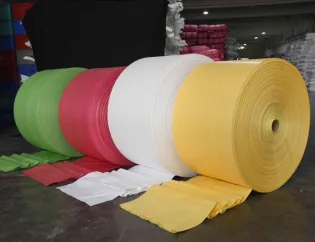
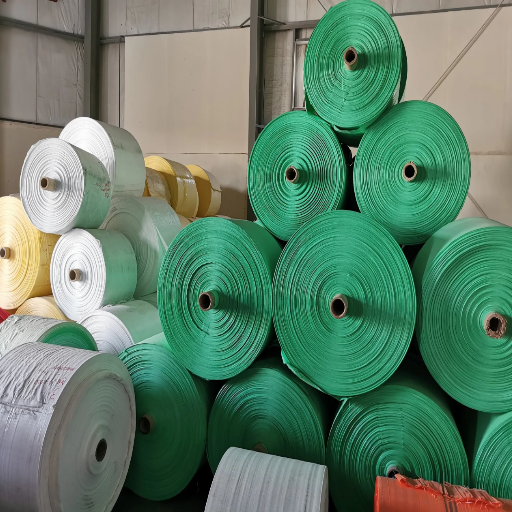
For exporters seeking polypropylene woven fabrics in bulk, working with a trusted manufacturer can save both time and potential losses. At Fazal & Sons, we provide customizable rolls tailored to client specifications, backed by quality assurance. Our team guides buyers through sizing, lamination options, and shipment preparation to ensure export-ready packaging that performs reliably.
Q&A – Common Questions About Polypropylene Woven Fabrics:
What makes polypropylene woven fabrics better than other packaging materials?
Their combination of tensile strength, moisture resistance, and UV durability makes them superior for long-distance shipments where conditions can be unpredictable.
Q1. Can the fabrics be reused for multiple shipments?
Yes, if handled properly. Reusing rolls can reduce costs and environmental impact.
Q2. How does lamination improve moisture protection?
Lamination adds a water-resistant layer, reducing the risk of condensation or spill damage during transport.
Q3. Where can bulk polypropylene woven fabrics be purchased for industrial use?
Trusted suppliers like Fazal & Sons provide bulk rolls, customizable options, and quality documentation suitable for export packaging.
Ensuring Cargo Safety with Polypropylene Woven Fabrics:
For businesses that deal with long-distance shipments, choosing the right packaging solution is critical to safeguarding product quality. Fazal & Sons delivers premium-grade Polypropylene Woven Fabrics that combine durability, moisture resistance, and cost efficiency, making them the preferred choice for industries worldwide. By integrating advanced weaving techniques and strict quality control, we ensure your cargo reaches its destination intact and uncompromised.
Secure your next shipment with the proven strength of Polypropylene Woven Fabrics. Visit fazalandsons.com.pk