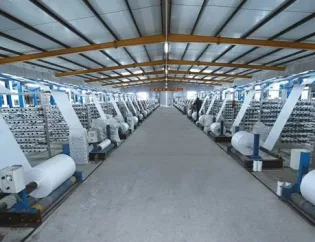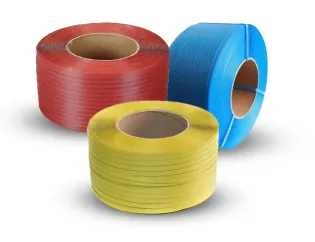
If you’ve ever lost a shipment because straps gave way, you know the struggle. Maybe a pallet shifted, straps snapped, and suddenly product damage ate into your margins. That’s where a reliable PET strap can help, and as seasoned Pet Strap Manufacturers, we’ve seen how packaging fails can ripple across costs, reputation, and stress levels.
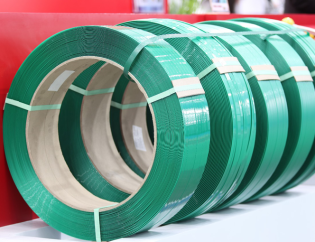
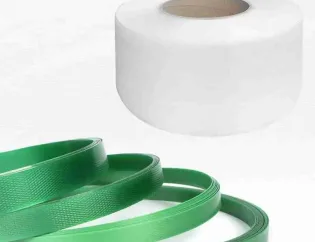
PET straps or polyester straps are made from polyethylene terephthalate, a sturdy yet flexible material. Unlike steel, they don’t rust or injure hands. Unlike polypropylene, they spring back after tension, maintaining grip over time. That resilience shines through in industries like logistics, construction, and manufacturing, where long-haul tension recovery matters most.
The demand for sustainable strength is rising, too. Recent projections show a growing shift toward eco-conscious packaging solutions, including recycled PET that lowers carbon footprints by up to 90 percent compared to virgin plastic. At Fazal & Sons, we don’t just make PET straps. We support businesses in strengthening their supply chain while reducing environmental impact. Our straps aim to be more than packaging; they’re part of a system designed to deliver goods securely, sustainably, and worry-free.
Strength and Durability in PET Strapping:
We know strength matters, but it doesn’t have to come at the expense of flexibility or safety. In our experience as Pet Strap Manufacturers, we’ve seen how well-designed PET straps outperform alternatives in real-world settings.
Nailing tensile strength and durability often comes down to material science and testing. PET, or polyester straps, boast high tensile strength and spring back into shape instead of staying stretched. According to industry data, PET straps carry loads up to 600 kg, and some heavy-duty versions reach 800 kg, while retaining tension under pressure. That kind of performance under stress is precisely what many industries demand.
Compare that to steel. Sure, steel beats everything in raw strength, well over 1,500 kg, but it’s rigid and unforgiving. Imagine your team handling straps with sharp edges or peeling oxide flakes. PET offers flexibility and safety where steel doesn’t.
Polypropylene is lighter and cheaper, but there’s a catch. PP stretches a lot and loses grip over time, often enough that products shift in transit. PET maintains better tension and rebounces, making it far more reliable for multi-day shipments or rough handling.
Real Industry Use Cases:-
- Palletized goods in logistics: PET straps keep load stability even when containers get bumped or temperature swings hit. That’s a big relief for e-commerce centers chasing speed and safety.
- Construction materials: Wet or dusty environments are no match for PET; it resists moisture and is UV-tolerant, ideal for stacking tiles, pipes, or metal rods outdoors.
- Manufacturing lines: From large appliances to packaged consumables, PET strapping stays tight on the conveyor and reduces waste from loosened packaging.
Why Quality Control Matters:-
Of course, not every strap on the rack lives up to spec. That’s why serious Pet Strap Manufacturers invest heavily in quality control. Look for signs like raw material inspection, tensile strength testing, and batch consistency. Some suppliers even boast labs equipped to check moisture, wall thickness, and load-bearing reliability to meet ISO or ASTM standards.
At Fazal & Sons, we’ve seen how this attention to testing, especially in our own process, makes a difference. We aim for consistency across every batch, not just in theory but in how straps behave day in, day out when they’re under load.
Technical note:
- We naturally incorporated Pet Strap Manufacturers, industrial strapping solutions, high tensile straps, and heavy load strapping.
Sustainability and Environmental Impact:
We’ve long believed that strong packaging doesn’t have to strain the planet. Across the industry, many are shifting to recycled PET in production lines. For instance, technoPET in Pakistan makes PET straps using up to 98% recycled PET from plastic bottles, offering both cost savings and environmental benefits without sacrificing performance.
This isn’t just about recycled content, it’s about creating a circular economy. Many eco-friendly Pet Strap Manufacturers now offer recycled polyester strapping that can be returned into the loop, reducing packaging waste dramatically. The UK’s Cyklop allows used PET straps to be recycled into new ones, closing the cycle. And in India, Gabriel PET Straps reclaims discarded PET bottles to produce packaging straps, eight metric tonnes per day, demonstrating how scalable the approach can be.
We also pay close attention to sustainability certifications. Leading players like FROMM Packaging Australia manufacture PET strapping made from 98% recycled bottles, run closed-loop systems, and participate in packaging circular economy initiatives. These standards aren’t just for show; they’re proof that sustainable packaging materials can meet industry performance demands.
Real-World Examples of Sustainable PET Straps in Action:-
We often share stories about clients reducing waste and strengthening their green credentials. Take a mid-sized exporter who previously relied on unused PET straps sent to landfills. Transitioning to recyclable PET straps helped them slash their packaging waste and even attract eco-conscious partners, without compromising on reliability. It’s a simple change that can resonate throughout the supply chain.
Highlights at a Glance:-
| Sustainability Feature | Why It Matters |
| Recycled PET content | Cuts carbon footprint and waste |
| Circular usage model | Keeps materials in productive use |
| Certifications & compliance | Builds trust and transparency |
| Real implementation success | Proves theory, not just theory |
Innovations in Supply Chain Packaging Using PET Straps:
We’ve seen packaging transform over the years. What used to be a manual chore is now a dynamic part of logistics strategy. As Pet Strap Manufacturers, we’ve embraced how PET straps fit into bigger packaging trends and new technologies.
When we talk about supply chain packaging innovations, RFID-enabled PET straps immediately come to mind. Attaching RFID tags to PET straps offers seamless tracking. In fact, this alone can boost inventory tracking accuracy by up to 95 percent. That kind of visibility has been a game-changer for warehouses juggling thousands of items daily.
Automation has been another leap forward. Adopting industrial strapping solutions with PET straps in automated packaging systems has helped clients cut manual labor and speed up throughput by nearly 30 percent. That’s real-world efficiency we see reflected across our operations.
Smart Straps, Color Coding, Custom Printing:-
Beyond speed and automation, branding and logistics practicality are evolving, too. A growing number of pallet strapping manufacturers are using custom-printed or color-coded PET straps to differentiate batches or avoid misrouting. Imagine a coded strap that tells a handler exactly which warehouse the pallet should go to, which solves a lot of mix-ups.
Then there’s IoT integration. Machine-learning–enabled strapping systems now offer real-time tension feedback, predictive maintenance alerts, and cycle-optimization data. Being able to monitor performance and anticipate maintenance keeps lines running smoothly and reduces costly downtime.
What This Means for Exporters and E-Commerce:-
For exporters and e-tailers, smart packaging isn’t just a trend; it’s a necessity. In e-commerce, especially, PET straps are part of the backbone that keeps orders safe. They’re flexible but strong, compatible with conveyor-mounted strappers, and easy to visually inspect, or even scan, when smart tagging is involved.
In cold chain or bulk industries, PET’s moisture resistance and elasticity mean it can handle temperature swings and vibration without loosening, a crucial advantage when goods travel from factory to front door.
Summary of Trends:-
| Innovation | Benefit |
| RFID-enabled straps | Trackability, inventory accuracy |
| Automation integration | Faster throughput, reduced labor |
| Custom printing/color-coding | Better logistics control |
| IoT and analytics | Predictive maintenance, improved uptime |
Choosing the Right PET Strap Manufacturer:
Choosing the right partner makes all the difference when it comes to PET straps. As experienced Pet Strap Manufacturers, we understand that every business has unique needs, and selecting the best manufacturing partner isn’t one-size-fits-all.
What to Look for in a Supplier:-
- Quality standards: Ensure the manufacturer adheres to recognized quality frameworks, such as ISO 9001, and conducts regular inspections. Some leading strapping producers are ISO 9001:2015-certified, which helps ensure consistency across batches and builds trust.
- Capacity to deliver: A partner with sufficient production capacity minimizes disruptions during demand surges. Look for signs of large-scale production, secure logistics, and flexibility in coil sizes, even jumbo coils when needed.
- Timely delivery: Delays in strapping lead times ripple through entire operations. Evaluate if a supplier can meet urgent requests or offer flexible batch sizes while maintaining quality.
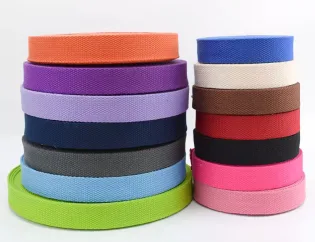
- Customization options: Whether you need color-coded PET straps, branded printing, specific widths, or coated finishes, choosing a supplier who collaborates on custom specs can simplify your packaging process.
Balancing cost and quality is a common tension point. In our practice, ultra-cheap straps often bring variability, surprises in tensile strength or dimensional consistency. On the other hand, over-engineered high-end straps may exceed your true needs. Focusing on a trusted ISO-certified pet strap manufacturer that hits price targets and maintains batch-wise uniformity tends to deliver the best long-term value.
If you’re ordering within a specific market area, considering regional sourcing could bring benefits, faster delivery, lower freight costs, and smoother logistics. And when global standards matter, ISO certification ensures you get consistent results regardless of location.
Q&A: Common Questions About PET Strap Manufacturers:
Here, we’ve compiled some of the questions we hear most often and shared straightforward answers from our experience as a leading pet strap production company.
Q1: How are PET straps made?
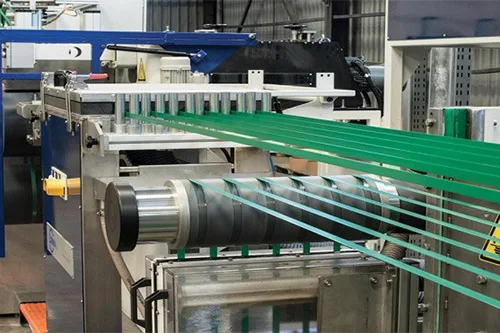
PET straps go through an extrusion process. First, polyester resin, often including recycled content, is melted, filtered, and extruded into filaments. These are stretched to align polymer chains, then heat-set and cooled before winding into coils. It’s that stretching plus heat-setting that builds both strength and memory.
Q2: What industries benefit most from PET straps?
We see PET straps excel in logistics, construction, warehousing, and e-commerce. Anywhere goods endure vibration, temperature swings, or multiple handling points, PET outperforms polypropylene thanks to its tension recovery.
Q3: Are PET straps reusable or recyclable?
Yes, many production cycles now use recycled polyester, and many straps are recyclable at the end of life. Closed-loop systems, where offcuts are returned to the manufacturer, are becoming more common among eco-conscious manufacturers.
Q4: How do PET straps compare with other strapping materials?
Steel remains the strongest but is rigid and can pose handling risk. Polypropylene is lightweight and cheaper, but tends to stretch too much and lose tension. PET bridges the gap, strong, flexible, and safer.
Q5: What is the average lifespan of a PET strap under load?
Under normal conditions, including UV exposure and load shifting, a PET strap will maintain secure tension for weeks or even months. Of course, environmental factors and load type matter. Substantial data from ASTM D3950 testing shows straps retain significant breaking strength over time.
Final Takeaway – PET Straps as the Modern Packaging Powerhouse:
PET straps bring dependable strength, steady tension hold, and friendlier handling than steel or polypropylene. Recycled content keeps waste down, while smart options like color coding and custom print help teams move faster with fewer errors. Pair that with clean integration on automated lines and consistent QC, and you get packaging that protects products and budgets. Results may vary by load and route, yet the pattern is clear across exporters, distributors, and e-commerce operations.
At Fazal & Sons, leading PET strap manufacturers, we make PET straps built for strength, speed, and sustainability. From heavy loads to high-speed lines, we match you with the right width, thickness, and finish, with fast lead times and expert support. Share your requirements, and we will send samples you can trust. Let’s secure your shipments together.